
The Problem
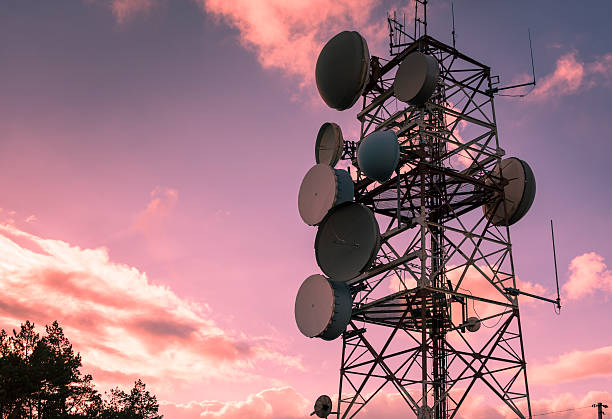
A remote operational site depended on a microwave radio link as its sole data connection. The link was dropping multiple times per day - sometimes for minutes, sometimes for hours. Every dropout meant lost telemetry, delayed reporting, and frustrated operators who couldn't trust the system.
Previous attempts to fix it had focused on swapping hardware, but no one had looked at the full picture: dish alignment, path profile, interference environment, or power stability at the radio.
The Approach
We started where it matters - on site, with test equipment, not in a meeting room with a slideshow.
- Conducted a full RF path survey to assess line-of-sight clearance and Fresnel zone obstructions
- Identified a misaligned dish and marginal fade margin that couldn't handle weather variation
- Discovered unstable DC supply at the remote end was causing the radio to brown out under load
- Redesigned the link with properly rated equipment, correct antenna gain, and a stabilised power feed
The Outcome
The rebuilt link has been stable under load with zero unplanned dropouts. Operators trust it. Reporting flows continuously. The site no longer needs someone to "go check why comms are down" every other day.
Lessons
Swapping hardware doesn't fix a bad design. You have to understand the RF environment, the power environment, and the mechanical installation before touching a single piece of equipment. That's what years of field work teaches you.